

2002
winners 2002
2001 press release 2001 winners 2001
entrants 2001 pdf
winners comments 2001 2000
winners 2000
the event 2000
1999
winners 1999
ar+d partners worldwide
for your local ar+d representative
architectural review
Buro Happold
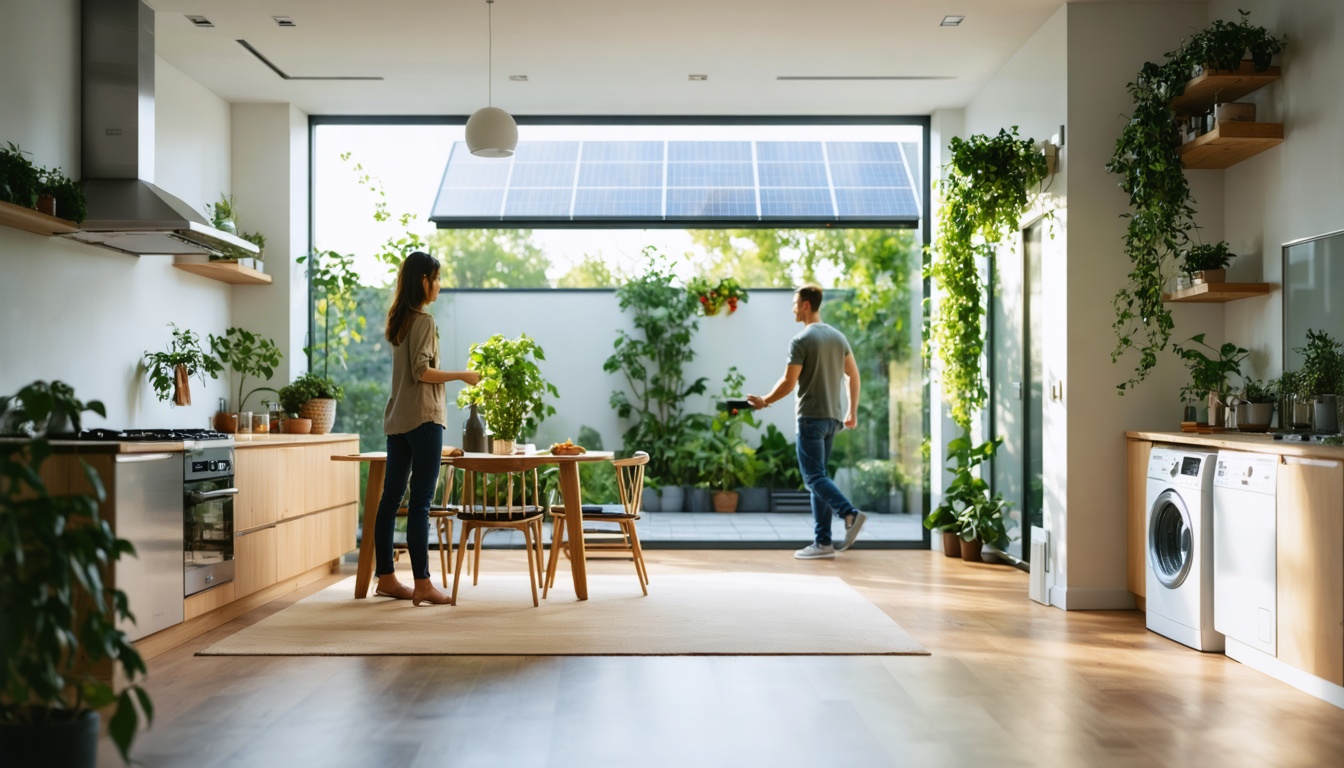
How Smart Energy Habits Can Reduce Household Electricity Waste
High electric bills are a common concern for many households, and a significant portion of the energy consumed in homes is often wasted. Understanding how electricity is used and where it is squandered can help households make more informed decisions about their energy consumption. Research indicates that several everyday practices contribute to unnecessary energy use. For example, leaving lights on in unoccupied rooms, failing to unplug devices when they are not in use, and using outdated appliances can lead to higher energy costs. Furthermore, heating and cooling systems that are not properly maintained or set to inefficient temperature settings can also result in considerable energy waste. By implementing simple changes, such as using LED bulbs, making use of smart power strips, and regularly servicing heating and cooling systems, households can reduce their energy consumption. Additionally, being mindful about turning off lights and unplugging devices can lead to noticeable savings over time. Engaging in energy-efficient practices not only helps reduce utility costs but also diminishes the overall environmental impact associated with energy use. These actions, while seemingly small, accumulate to create significant savings and contribute to more sustainable energy consumption patterns. Overall, there are various ways to identify opportunities for reducing energy waste within the home. Evaluating current habits and making adjustments can help households maintain more manageable energy expenses while also supporting broader environmental goals.
Understanding Household Energy Consumption Patterns
Household energy consumption varies among residences and is influenced by several factors, including the types of appliances utilized, the overall design of the home, and the behaviors of the occupants. Significant contributors to energy usage typically include heating and cooling systems, water heaters, and cold appliances such as refrigerators, which collectively account for a considerable portion of a household's energy consumption.
In addition to these primary appliances, electronic devices also contribute to energy use. Notably, many devices consume power even when not actively in use, a situation commonly referred to as phantom power. This energy drain can be reduced by disconnecting devices when they are not needed or by using power strips that enable multiple devices to be turned off simultaneously, potentially leading to cost savings over time.
Implementing basic energy-saving practices can further decrease electricity expenses. For example, ensuring that lights are turned off when not needed and replacing incandescent bulbs with LED versions can positively impact monthly utility costs.
Furthermore, maintaining clean air filters in heating and cooling systems can enhance their efficiency, which may reduce energy consumption in the long run.
Incorporating natural light, making sure doors and windows are closed to maintain indoor temperatures, and making minor adjustments to daily habits can help lower utility costs over time. These practices demonstrate a commitment to more efficient energy usage within households.
The Role of Energy Efficiency and Conservation
Implementing energy efficiency and conservation measures in the home can lead to significant reductions in energy costs and environmental impact. Simple actions, such as replacing incandescent light bulbs with LED options, can substantially decrease electricity consumption, as LEDs use considerably less energy and have a longer lifespan. Additionally, minimizing phantom power—electricity consumed by devices when they are switched off but still plugged in—can be achieved by utilizing smart power strips and unplugging devices when not in use.
Everyday practices also contribute to energy savings. For instance, actively turning off lights when leaving a room and maximizing the use of natural light can reduce reliance on electric lighting. Keeping refrigerator doors closed and ensuring that the appliance is well-maintained, through regular cleaning of filters, can enhance efficiency and prolong its operational lifespan.
Furthermore, understanding available incentives for energy-efficient products can result in financial benefits over time. Electronics that remain plugged in can account for a considerable portion of household energy use; thus, reducing the time they are on or plugged in can lead to cost savings. Adopting these energy-saving habits allows for a more efficient energy management approach without requiring substantial investment or lifestyle changes.
Managing Heating and Cooling for Maximum Savings
Heating and cooling systems significantly contribute to a household's energy consumption, making their effective management crucial for reducing energy costs. Utilizing smart thermostats is one strategy that can enhance energy efficiency by adjusting temperatures during times when the home is unoccupied. For instance, setting air conditioning temperatures above 26°C and keeping heating levels within 18-20°C can lead to substantial savings in energy usage over time.
Maintaining these systems is also important; regular tasks such as replacing or cleaning air filters can improve efficiency and lead to long-term energy savings.
Weatherstripping doors can further reduce heat loss by mitigating cold drafts, contributing to overall energy conservation.
Additionally, small changes in daily habits, such as turning off unnecessary lights and utilizing natural daylight, can aid in lowering overall energy consumption.
Many regions offer incentives for upgrading to more energy-efficient systems like Solar Power in Palm Bay, which can further enhance cost savings while improving system performance.
Efficient Use of Appliances and Electronics
Appliances and electronics are integral to managing household tasks; however, their efficient use is critical for minimizing energy consumption. Running dishwashers at full capacity can enhance their efficiency, contributing to less water and electricity usage.
Opting for energy-efficient water heater models is another approach that can lead to meaningful energy savings over the long term.
The management of plugged-in electronics is also an important consideration. Many devices continue to consume energy, even when not in active use, through a phenomenon referred to as phantom load. To address this, unplugging devices that are not in use or employing smart power strips designed to cut power to inactive electronics can effectively reduce this unnecessary energy drain.
Maintaining the efficiency of refrigerators contributes significantly to overall energy savings. Regularly cleaning the area behind the appliance and ensuring that the door seals properly can help sustain optimal operating conditions, which in turn reduces energy use.
Furthermore, replacing incandescent bulbs with LED alternatives can lead to a decrease in energy consumption, as LED bulbs are designed to use considerably less power. Implementing automatic shut-off systems for various devices can also aid in managing energy use more effectively within the home.
In summary, these practical modifications can lead to a reduction in energy costs and encourage a more efficient household environment over time.
Reducing Lighting Costs with Smart Solutions
Implementing modern lighting solutions can lead to a reduction in household electricity consumption. Transitioning to LED light bulbs is a practical measure; these bulbs consume less energy compared to traditional incandescent bulbs, resulting in lower electricity usage and utility expenses.
Additionally, integrating smart lighting systems allows for automated controls that manage lighting based on occupancy. For example, these systems can turn off lights in unoccupied rooms, reducing unnecessary energy expenditure.
Maximizing the use of natural light is another effective strategy. Opening curtains during daylight hours can decrease reliance on electric lighting, contributing to lower energy consumption.
Furthermore, adopting basic practices like ensuring lights are turned off when leaving a room and replacing outdated fixtures can accumulate significant energy savings over time.
In summary, these measures can potentially lower energy costs, particularly when combined with available financial incentives for energy-efficient upgrades. The overall impact can be substantial with relatively minimal lifestyle changes.
Implementing Smart Technology to Minimize Phantom Power
Many households prioritize energy-efficient lighting and appliances; however, phantom power—commonly known as standby power—continues to be a less recognized factor impacting electricity bills. Plugged-in electronics, such as refrigerators and water heaters, can consume energy even when they are turned off, leading to unnecessary energy expenditure.
The use of smart power strips can address this issue by automatically disconnecting multiple devices when they are not in active use. This measure can contribute to energy conservation and lower monthly utility costs. The cumulative savings from reduced phantom loads can be significant over time.
Moreover, smart technology systems offer real-time data on energy consumption for various devices, allowing homeowners to make more informed decisions regarding their energy usage. By systematically unplugging devices and turning off lights when they are unnecessary, households can achieve tangible reductions in their overall energy consumption.
Such adjustments not only enhance personal cost savings but also align with broader initiatives aimed at improving energy efficiency.
Practical Strategies for Lowering Water Heating Expenses
To reduce water heating expenses effectively, several practical strategies can be implemented without significantly affecting comfort. One key adjustment is to set the water heater temperature to 120°F. This modification can lead to energy conservation and a decrease in monthly utility bills.
Moreover, reducing the overall use of hot water can also contribute to cost savings. For instance, choosing to take shorter showers rather than baths can promote substantial reductions in both water and energy consumption.
Additionally, insulating the water heater and hot water pipes is recommended, as it minimizes heat loss in a manner similar to the energy efficiency achieved by keeping refrigerator doors closed.
Another financially beneficial approach is to schedule activities such as laundry and dishwashing during off-peak hours when energy rates may be lower. This practice can lead to further financial savings on utility bills.
Furthermore, regular maintenance and cleaning of water heating systems can improve long-term efficiency, ensuring optimal operation over time.
By applying these strategies, households can lower energy consumption and associated costs while still maintaining adequate comfort levels.
Seasonal Practices to Improve Energy Efficiency
As seasons transition, adjusting household practices can enhance energy efficiency and lower utility costs.
In winter, utilizing residual heat from cooking can assist in heating living spaces, thereby reducing overall energy usage. Furthermore, maximizing natural light by keeping curtains open during daylight hours can diminish reliance on artificial lighting, which can lead to a reduction in electricity consumption.
In the summer months, outdoor cooking and dining can help lower the reliance on air conditioning systems, potentially resulting in savings on energy bills. Regular appliance maintenance, such as cleaning refrigerator door seals, can also boost efficiency.
Additionally, unplugging devices that are not in use and utilizing power strips for multiple electronics can help reduce phantom power consumption, which is a significant, yet often overlooked, contributor to energy waste.
Adjusting the thermostat appropriately, along with ensuring lights are turned off in unoccupied rooms, are practical steps toward energy conservation.
Switching from incandescent light bulbs to LED variants is recommended, as LED bulbs use significantly less energy and possess a longer lifespan, leading to cost savings over time.
These collective strategies can effectively promote energy efficiency within households while reducing utility expenses.
Encouraging Energy-Saving Habits Among Children
Teaching children to be aware of their energy use at home can effectively contribute to reducing household electricity consumption and help develop responsible energy habits for the future. Parents can introduce their children to specific actions that enhance energy efficiency. For instance, turning off lights when leaving a room, utilizing natural light during daylight hours, and ensuring that the refrigerator door is securely closed can minimize energy waste.
In addition, it is important to explain the principle of phantom power, which is the energy consumed by devices that remain plugged in when they are not in active use. Encouraging children to unplug devices can help decrease this unnecessary energy consumption.
Furthermore, switching to LED light bulbs and using power strips for multiple electronic devices can lead to measurable energy savings. LED bulbs typically consume less energy than traditional incandescent bulbs and have a longer lifespan, while power strips permit the convenient disconnection of multiple devices from the power source when they are not in use.
Implementing these practices can collectively result in a significant reduction in utility bills. This not only provides children with a practical understanding of energy consumption, but also encourages their participation in environmentally responsible behaviors.
Long-Term Benefits of Adopting Smart Energy Practices
Adopting smart energy practices presents several long-term advantages that go beyond immediate financial savings. Transitioning to energy-efficient technologies, such as LED light bulbs, and implementing strategies to minimize energy consumption, like unplugging devices and utilizing smart power strips for phantom load management, can lead to substantial reductions in utility costs.
In addition to these savings on monthly bills, energy conservation measures can extend the lifespan of heating and cooling systems, as well as water heaters. By reducing their operational load, these appliances experience less wear and tear, which can lower maintenance and replacement expenses over time.
Simple habits such as turning off lights when not in use, making the most of natural daylight, and ensuring refrigerator doors are closed properly contribute to lowering overall energy usage. While these actions may seem minor individually, they aggregate to produce significant energy savings.
In light of growing consumer awareness regarding energy incentives and the availability of energy usage information, the cumulative impact of these incremental changes can lead to more substantial financial benefits.
Additionally, these practices contribute to environmental sustainability by reducing carbon emissions. Overall, a systematic approach to energy management demonstrates a commitment to both economic efficiency and environmental responsibility.
Conclusion
Adopting smart energy habits can lead to a significant reduction in household electricity waste and associated costs. Implementing various strategies, such as upgrading to energy-efficient appliances, installing smart thermostats, sealing air leaks, and utilizing efficient lighting solutions, can create substantial changes in overall energy consumption. Research indicates that energy-efficient appliances consume less electricity compared to standard models, leading to long-term savings on utility bills. Smart thermostats can optimize heating and cooling schedules, resulting in reduced energy use when the home is unoccupied. Additionally, sealing leaks can improve heating and cooling efficiency, minimizing unnecessary energy expenditure. Transitioning to LED or other efficient lighting options also contributes to lower energy usage due to their reduced wattage and longer lifespan. Staying informed about energy consumption is essential in identifying areas for improvement. Involving all members of the household in energy-saving practices can reinforce these changes and ensure a collective commitment to reducing electricity waste. Implementing these strategies not only contributes to individual savings but also aligns with broader sustainability efforts. By reducing household energy consumption, there is a potential decrease in overall demand for electricity, which can lead to a reduction in fossil fuel consumption and greenhouse gas emissions, contributing to environmental sustainability. Therefore, making these changes is advisable for both financial and ecological reasons.